
Similar Posts
Shareholder Remedies: Litigating Fiduciary Breach in the Wake of Corporate Fraud
Shareholder Remedies: Litigating Fiduciary Breach in the Wake of Corporate Fraud Shareholder Remedies: Litigating Fiduciary Breach in the Wake of Corporate Fraud Shareholder Remedies: Litigating Fiduciary Breach in the Wake of Corporate Fraud “When a director betrays the company, the decisive question is rarely whether a wrong has occurred. The…
An Overview of Family Offices in India
Family Offices, a wealth management entity created for asset protection, investment and succession planning vehicles tailored to the specific needs of high net worth individuals and family specific to the needs and preferences of the family to protect its legacy and wealth from generation to generation. Why to form…
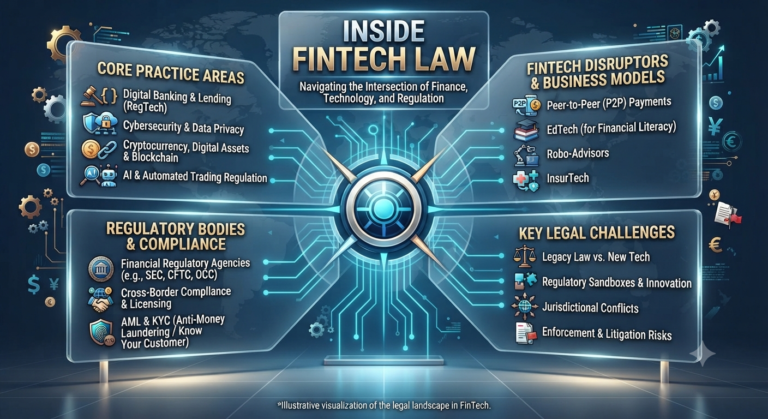
Inside Fintech Law: What Founders and Investors Need to know
Inside Fintech Law: What Founders and Investors Need to know Inside Fintech Law: What Founders and Investors Need to Know In practice of two decades, I have watched India’s financial technology sector move from a curiosity to the beating heart of the economy. Payments, lending, wealth management, insurance, cross-border remittance…
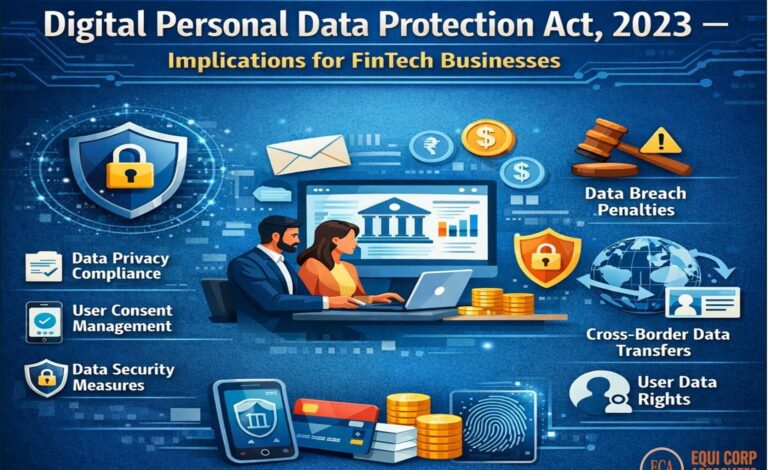
Digital Personal Data Protection Act, 2023 – Implications for FinTech Businesses
Digital Personal Data Protection Act, 2023 – Implications for FinTech Businesses Digital Personal Data Protection Act, 2023 – Implications for FinTech Businesses The Digital Personal Data Protection Act, 2023 (DPDP Act), along with the DPDP Rules, 2025, introduces a comprehensive data governance framework that significantly impacts FinTech businesses in India,…
Shareholder Disputes: Cause & Resolution
Shareholders comes with different background and perspective, where having disagreement over trivial points to matters related to the management of the company is a common issue now days. Out of such disagreement, there are always few issues which are failed to be resolved amicably and convert into a legal dispute…
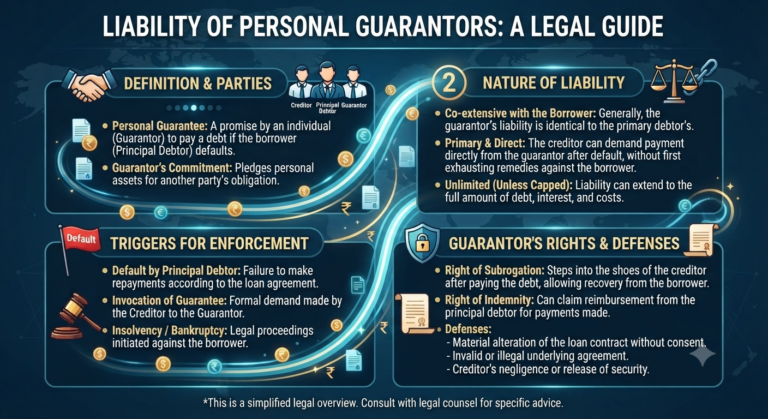
Liability of Personal Guarantors Under the Insolvency and Bankruptcy Code, 2016
Liability of Personal Guarantors Under the Insolvency and Bankruptcy Code, 2016. A practical guide to Sections 95 & 96 of IBC, 2016 for promoters, directors, HNIs and creditors Introduction Almost every substantial business loan in India carries a hidden second signature. Behind the company’s stamp sits a promoter or director…