
Similar Posts
Forensic Audit: A Tool for Remedy against the Financial Frauds in India
The term ‘Forensic’ comes from the Latin word ‘forensis’, meaning ‘acceptable before the forum’. “Forensic” refers to something that is “qualified for a court of law”. Forensic Audit is an application of accounting, auditing, and investigative skills to examine financial records and transactions in legal contexts. Forensic Auditor serve as…
Conundrum on Cheating in India: – Civil Wrong or Criminal Offence
“Cheating” generally refers to the act of dishonestly or unfairly gaining an advantage, typically in contexts of gaming, monetary transactions, relationship or professional setting. Cheating has been defined in Section 318 & 319 of Bharatiya Nyaya Sanhita, 2023 ( erstwhile Section 415-420 of Indian Penal Code, 1860) where there is inducement…
Termsheet- A Gateway to Investment
This article provides a comprehensive overview of term sheets in business transactions and investments, particularly in the Indian legal context. What is termsheet? A term sheet is fundamentally a non-binding document that outlines the basic terms and conditions of a potential business transaction or investment. While the passage romanticizes it…
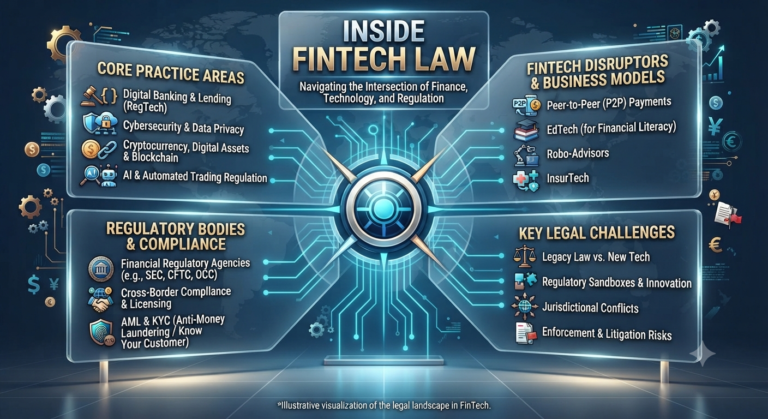
Inside Fintech Law: What Founders and Investors Need to know
Inside Fintech Law: What Founders and Investors Need to know Inside Fintech Law: What Founders and Investors Need to Know In practice of two decades, I have watched India’s financial technology sector move from a curiosity to the beating heart of the economy. Payments, lending, wealth management, insurance, cross-border remittance…
Navigating Shareholder Disputes in India: The Role and Limits of Arbitration
Navigating Shareholder Disputes in India: The Role and Limits of Arbitration I. The Central Tension The confluence of arbitration law and corporate shareholder rights is among the most consequential domains in contemporary Indian commercial jurisprudence. The expansion of private equity, venture capital, foreign direct investment, and complex joint-venture structures has…
Fraud Classification of Bank Accounts in India: A Legal Insight
Fraud Classification of Bank Accounts in India: A Legal Insight Fraud Classification of Bank Accounts in India: A Legal Insight With the Supreme Court’s ruling in State Bank of India v. Amit Iron Private Limited & Ors. 2026 INSC 323 brings long‑awaited certainty to the procedural requirements governing the classification…